Inquire Now to
Get FREE Registrations

4.5 /5 Star Rated Preschool in Yelp
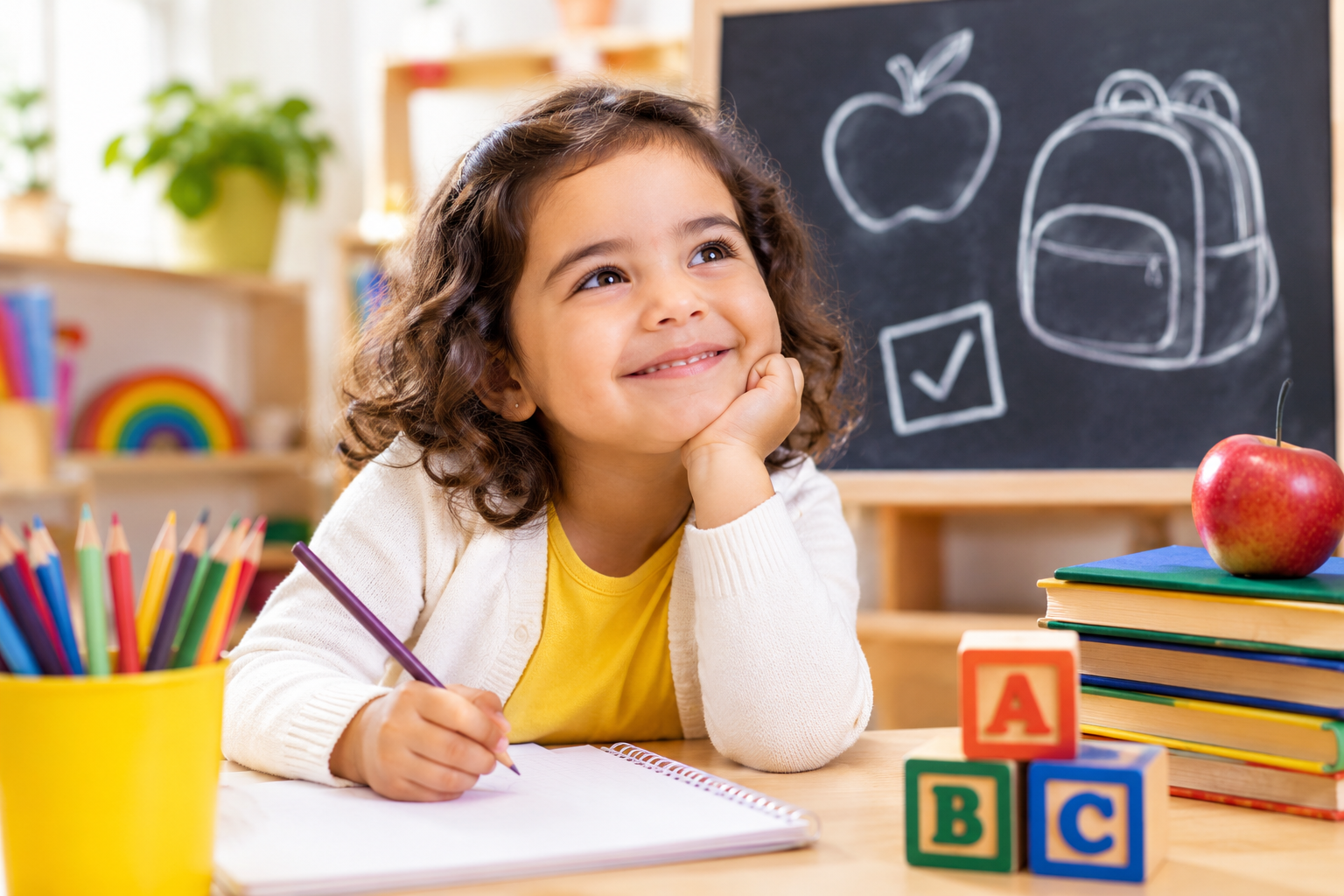
School is starting soon, and if your child is heading into kindergarten this year, you might be wondering if they are really ready. The good news is that kindergarten readiness is not about knowing everything. It is about a few key skills that build confidence on day one.
At Leaps and Bounds Preschool, this is something teachers think about all year, not just in August. With locations in Escondido, La Puente, and Fontana, the school helps children build these skills naturally through play, routine, and daily practice.
A lot of parents think readiness means a child should already know letters, numbers, and colors. Those things help, but they are not the whole picture. Real kindergarten readiness includes things like following simple instructions, managing emotions, and feeling comfortable away from a parent for a few hours.
Teachers and child development experts agree that emotional and social skills matter just as much as early academics. A child who can share, take turns, and calm down after a tough moment is often more ready for kindergarten than one who can recite the alphabet but struggles with these skills. If you are looking for a preschool in Escondido that supports this kind of growth, this is exactly what a strong program should focus on.
Here are a few simple things you can work on at home this month.
Independence with daily tasks. Practice having your child put on their own shoes, zip their backpack, and wash their hands without help. These small wins build real confidence.
Following instructions. Give your child two or three step decision making directions during the day, like put your toys away and then wash your hands. This helps them get used to following instructions in a classroom setting.
Bathroom independence. Kids should be comfortable using the bathroom on their own. Clothing with elastic waistbands instead of buttons or zippers can make this easier during the first weeks of school.
Saying goodbye with confidence. A quick, calm goodbye at drop off is much easier on kids than a long, drawn out one. Practicing a short goodbye routine at home can help reduce first day anxiety.
Reading and talking together. Daily reading time and simple conversation build vocabulary and listening skills, which support reading readiness later on.
For families who feel their child could use a bit more time before kindergarten, Transitional Kindergarten is a great option. This program is designed for children who are close to kindergarten age but would benefit from an extra year to build social, emotional, and academic skills at their own pace.
At Leaps and Bounds, the Transitional Kindergarten class focuses on the building blocks of reading and number sense without pressure or worksheets. Children learn through games, storytelling, and hands on activities, which research continues to show is one of the best ways young kids actually learn.
There has been a shift in early education away from heavy worksheets and drills. Instead, programs are focusing on rhymes, sound games, storytelling, and open ended play to build early literacy skills. This approach builds strong foundations without pushing kids to sit still for long periods before they are ready.
At Leaps and Bounds, classrooms across all three locations use this same approach. Whether your child is in the toddler room, preschool class, or Transitional Kindergarten, learning happens through play, conversation, and everyday routines.
Starting a new school year can feel like a big change for young kids. A few small habits can make it easier.
Consistency matters more than doing everything perfectly. Kids pick up on routines quickly once they know what to expect.
Whether your child is starting preschool, moving into Transitional Kindergarten, or getting ready for kindergarten this fall, Leaps and Bounds Preschool is here to help build the skills and confidence they need. Locations in Escondido, La Puente, and Fontana all offer programs built around real child development, not just busy work.
Call your nearest Leaps and Bounds location today or visit the website to book a free tour before the school year begins. A strong start this fall can make a real difference for your child.
1. What is kindergarten readiness?
Kindergarten readiness means a child has basic skills like following instructions, managing emotions, separating from parents comfortably, and communicating their needs, along with early literacy and number awareness.
2. Does Leaps and Bounds offer Transitional Kindergarten?
Yes, Transitional Kindergarten is available for children who are close to kindergarten age and would benefit from an extra year of preparation.
3. How can I help my child with separation anxiety before school starts?
Practice short, calm goodbyes at home and during drop off visits. A quick and predictable goodbye routine usually works better than a long one.
4. Should my child already know letters and numbers before kindergarten?
It helps, but it is not required. Programs today build these skills through play and daily routines rather than expecting kids to know them beforehand.
5. What age is Transitional Kindergarten for?
Transitional Kindergarten is generally designed for children who turn five shortly after the kindergarten enrollment cutoff, giving them an extra year to build skills before starting kindergarten.