Inquire Now to
Get FREE Registrations

4.5 /5 Star Rated Preschool in Yelp
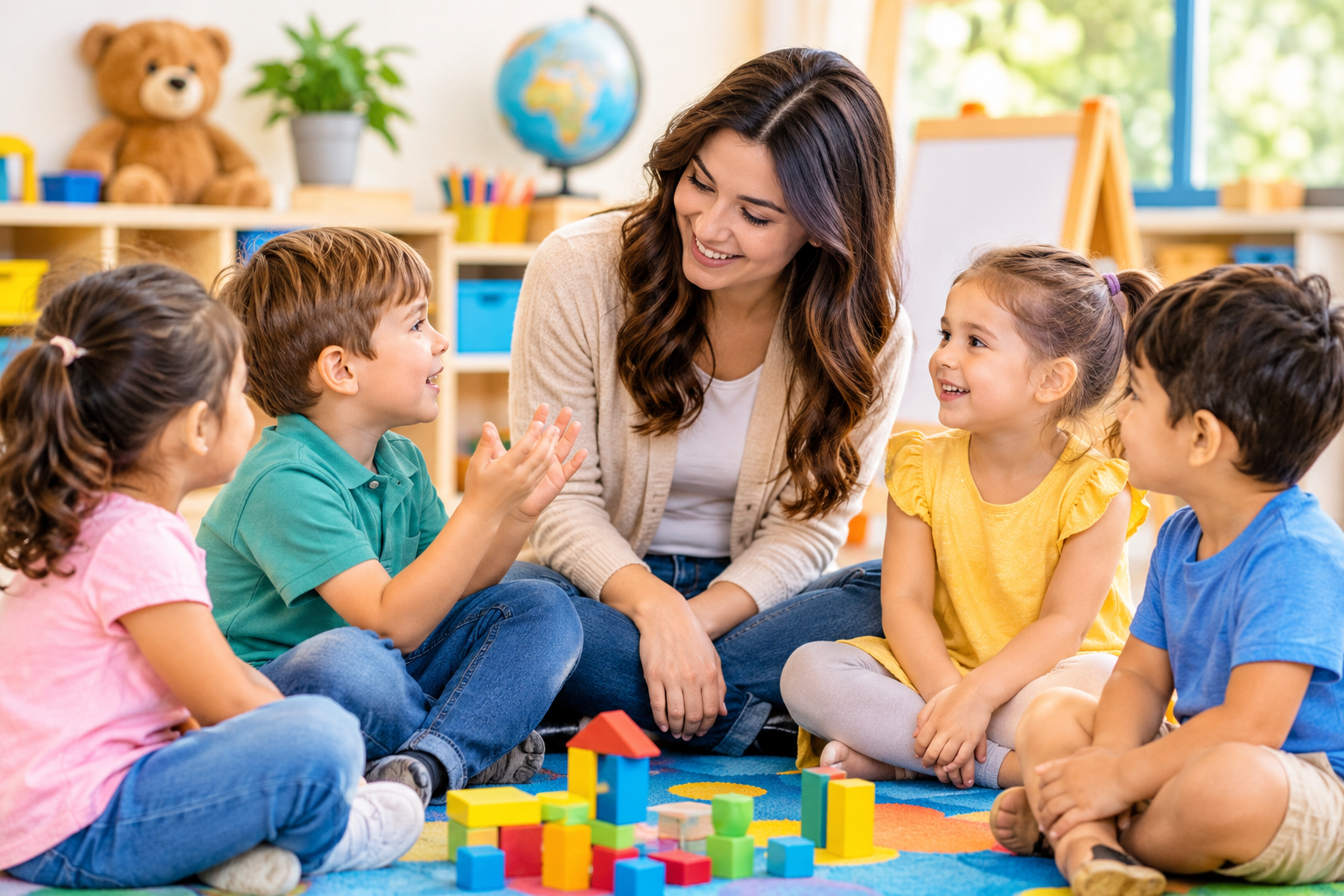
Watching your child struggle to communicate with others or make new friends can be difficult for any parent. You may notice that your child prefers playing alone, feels shy around other children, has difficulty expressing feelings, or becomes frustrated when others do not understand them.
These experiences can raise questions about whether your child is developing the social and communication skills needed for school. While every child develops at their own pace, the early years provide valuable opportunities to practise communication, build relationships, and develop confidence.
A supportive preschool environment can help children strengthen these skills through everyday conversations, group activities, creative play, and positive interactions with teachers and classmates.
For families exploring a preschool in Escondido, La Puente, or Fontana, understanding the importance of early social and language development can help when choosing the right learning environment.
Young children are still learning how to express their thoughts, needs, and emotions. Some may communicate confidently at home but become quiet around unfamiliar people. Others may find it challenging to start conversations, share toys, or explain how they feel.
Several factors can influence early communication, including individual development, personality, exposure to language, and opportunities for social interaction.
Parents may notice behaviours such as:
These behaviours do not automatically indicate a developmental problem. However, if you have concerns about your child’s speech or communication milestones, discussing them with a qualified healthcare professional can help identify whether additional support is needed.
Children develop communication skills through regular opportunities to listen, speak, ask questions, and respond to others.
A quality early childhood education program creates an environment where children can practise these abilities naturally throughout the day.
For example, teachers encourage children to describe pictures, talk about their favourite activities, answer simple questions, and participate in storytelling sessions.
These everyday experiences help develop:
Vocabulary: Children learn new words through conversations, books, songs, and classroom activities.
Listening skills: Group discussions and storytelling encourage children to listen carefully and understand instructions.
Self expression: Children learn to communicate their feelings, preferences, and ideas.
Confidence: Positive encouragement helps children feel more comfortable speaking in front of others.
Conversation skills: Interacting with teachers and classmates helps children understand how conversations work.
Friendships are an important part of growing up. Through play and social interaction, children begin to understand cooperation, kindness, patience, and respect.
A preschool learning environment gives children regular opportunities to meet others, participate in group activities, and develop meaningful relationships.
Activities such as building blocks together, pretend play, group storytelling, and outdoor games encourage children to communicate and cooperate.
They also learn important social lessons, including waiting for their turn, sharing materials, understanding different emotions, and resolving small disagreements with guidance.
These experiences contribute to healthy social emotional development and help children feel more comfortable in group settings.
Children often learn best when they are actively involved in enjoyable experiences. Play based learning allows them to develop important skills without making learning feel like a formal lesson.
Here are some activities that support communication and social growth.
Reading picture books introduces children to new vocabulary, characters, and situations. Teachers can ask questions about stories to encourage children to express their thoughts.
Playing shopkeeper, doctor, teacher, or chef allows children to practise conversations and understand different roles.
Painting, colouring, and craft projects encourage children to share materials, discuss ideas, and work together.
Songs, rhymes, and movement games help children follow instructions, develop listening skills, and participate with classmates.
Outdoor activities encourage teamwork, communication, physical development, and opportunities to build friendships.
Parents play an important role in developing their children’s language and social abilities. Simple everyday activities can create valuable learning opportunities.
Talk throughout the day: Describe everyday activities, ask simple questions, and encourage your child to respond.
Read together: Make reading a regular habit. Discuss pictures, characters, and what might happen next.
Encourage pretend play: Role playing helps children practise conversations and express their imagination.
Arrange playdates: Spending time with other children provides opportunities to practise sharing and social interaction.
Listen patiently: Give your child enough time to express thoughts without interrupting or completing every sentence.
Praise positive interactions: Recognise moments when your child shares, communicates, or makes an effort to participate.
Consistency is important. Small daily interactions can help children become more confident communicators.
When searching for a preschool near me, parents should look beyond classroom facilities and consider how the school supports communication, emotional well being, and social development.
A good early learning program should provide opportunities for children to interact, explore, ask questions, and learn through age appropriate experiences.
Leaps and Bounds School offers early childhood programs designed to support children’s learning and development through engaging classroom experiences.
Families can explore the available programs at the following locations:
Preschool in Escondido: Parents can explore childcare and preschool options at Leaps and Bounds Escondido.
Preschool in La Puente: Families can learn more about early learning opportunities through Leaps and Bounds School.
Preschool in Fontana: Parents looking for a supportive early learning environment can visit Leaps and Bounds School.
Before enrolling, consider arranging a school visit, meeting the teachers, and learning how classroom activities encourage communication and friendships.
Children begin developing social connections during infancy and toddlerhood. More interactive friendships often emerge during the preschool years as communication and cooperative play skills develop.
Yes. Some children enjoy independent play, especially while adjusting to new surroundings. Teachers can gradually encourage participation in group activities without forcing interactions.
Preschool provides opportunities to listen, communicate, learn vocabulary, participate in storytelling, and interact with others. However, preschool is not a substitute for speech therapy when a child needs specialised support.
Encourage small social interactions, arrange play opportunities, read stories together, and praise your child’s efforts. Avoid pressuring them to interact before they feel comfortable.
Look for caring teachers, a safe environment, age appropriate activities, opportunities for group interaction, and regular communication with families.
Communication and social skills develop through everyday experiences, encouragement, and positive relationships. Children need opportunities to express themselves, explore new interests, and interact with people outside their immediate family.
Choosing the right preschool in Escondido, La Puente, or Fontana can give your child a valuable foundation for developing these abilities.
Leaps and Bounds School provides early learning opportunities that encourage children to explore, participate, and develop essential skills during their formative years.
Visit Leaps and Bounds School to explore its programs and learn more about creating a positive beginning to your child’s educational journey.